
Print has always been an integral part of our lives, from the early days of the printing press to modern digital printing technologies. Despite the rise of digital media, the printing industry continues to evolve and adapt to changing consumer needs and technological advancements. In this blog post, we will explore the latest trends in the printing industry, discussing how these innovations are reshaping the future of print.
Introduction: The Resilience of Print
In an age dominated by digital media, it is easy to overlook the significance of the printing industry. However, print remains relevant and impactful in many sectors, including marketing, publishing, packaging, and more. The diverse array of printing applications demonstrates the industry’s resilience and ability to adapt. As technology progresses, new trends emerge that are reshaping the printing landscape, ensuring its relevance in the digital age.
1. Digital Printing Revolution
One of the most significant advancements in the printing industry is the emergence of digital printing technologies. Unlike traditional printing methods, such as offset printing, digital printing eliminates the need for printing plates and allows for faster production turnarounds and cost-effective short runs. With the increasing demand for personalized and on-demand printing, digital printing has become the go-to choice for many businesses. Additionally, the advancements in inkjet technology have made digital printing even more versatile, allowing for high-quality prints on various substrates, including textiles, ceramics, and even 3D objects.
2. Sustainable Printing Practices
As environmental concerns continue to escalate, sustainability has become a top priority for businesses across all industries, including printing. Thankfully, the printing industry is actively embracing eco-friendly practices to minimize its environmental impact. Many companies are investing in renewable energy sources, utilizing biodegradable inks, and implementing recycling programs for both waste materials and cartridges. Moreover, advancements in printing technology have led to reduced energy consumption and waste generation, further contributing to sustainable printing practices.
3. Augmented Reality and Interactive Print
With the proliferation of smartphones and tablets, integrating print with digital technology has become a fascinating trend in the printing industry. Augmented reality (AR) allows print materials to come alive by overlaying digital content onto physical objects. This integration enables businesses to create interactive and immersive print experiences for their customers, revolutionizing marketing and advertising campaigns. Printed advertisements, packaging, or even books can now incorporate AR elements, providing an engaging and memorable user experience.
4. 3D Printing Innovation
While still in its infancy, 3D printing has captured the imagination of many industries. This revolutionary technology has the potential to transform manufacturing processes, enabling the production of complex and customized objects on-demand. In the printing industry specifically, 3D printing allows for the creation of prototypes, architectural models, and even artistic sculptures with unprecedented precision. As the technology becomes more accessible and affordable, it is likely that we will witness further advancements, opening up new opportunities for the print industry.
5. Variable Data Printing
Personalization has become a cornerstone of modern marketing strategies. Variable data printing (VDP) allows businesses to create customized prints by combining a database of information with digital printing capabilities. Whether it’s tailored direct mail campaigns, personalized catalogs, or customized packaging, VDP enables brands to deliver targeted messages and experiences to individual customers. This trend not only improves customer engagement but also increases the overall effectiveness of marketing efforts.
6. Nanography: The Next Printing Revolution
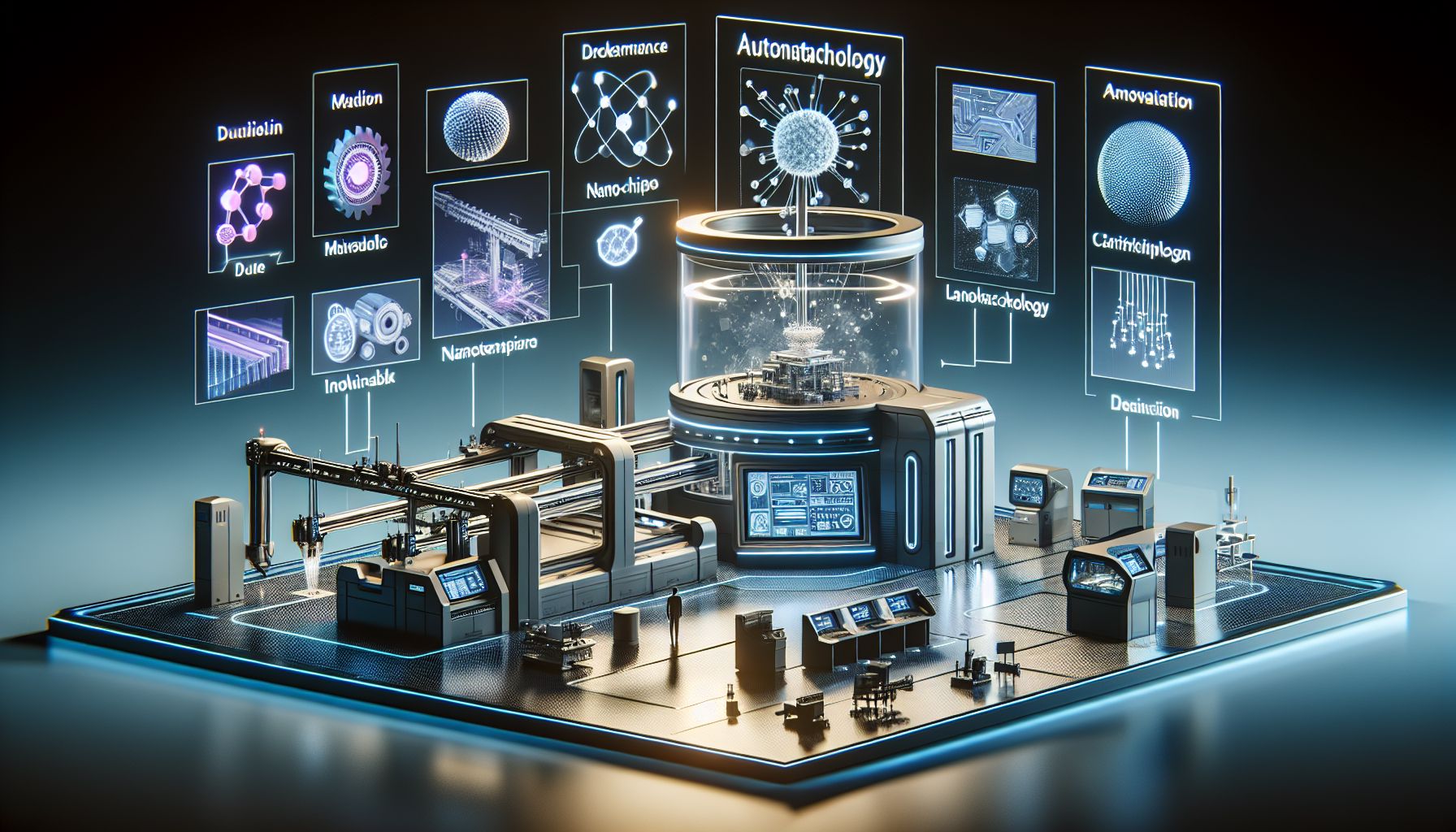
Nanography is an emerging printing technology that combines the benefits of both offset and digital printing. By utilizing nano-pigment ink particles, nanography offers the high speed and cost-effectiveness of digital printing while maintaining the exceptional print quality and versatility of offset printing. This innovative technique has the potential to revolutionize commercial printing, packaging, and label production, enabling higher productivity, shorter print runs, and reduced environmental impact.
Conclusion: Embracing the Future of Print
The printing industry continues to evolve and adapt, leveraging technological advancements to offer new possibilities and experiences. From digital printing revolutionizing production workflows to sustainable practices driving eco-friendly solutions, the future of print looks promising. Augmented reality, 3D printing, and variable data printing further demonstrate the industry’s ability to innovate and meet evolving consumer demands. As nanography emerges as the next printing revolution, it is clear that the printing industry is far from becoming obsolete, reaffirming its importance as a medium that seamlessly integrates the physical and digital realms.